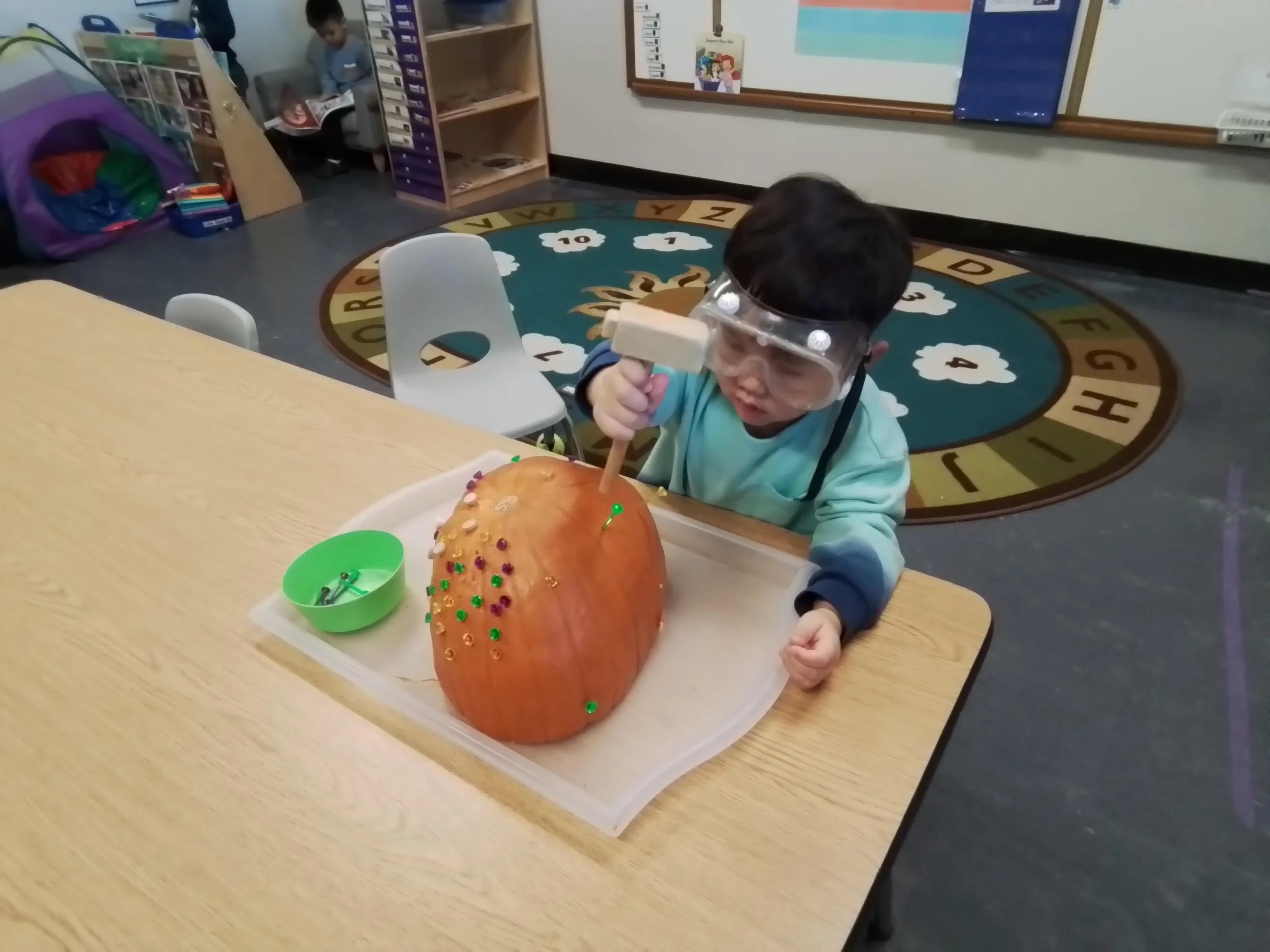
5 Easy Fall Activities for Preschoolers
Fall is finally here! It's time to break out the hoodies, enjoy a little cooler weather, and find new ways for our little learners to explore the world around them. Even though fall in Central Texas looks a little different from fall in other parts of the country, there are still plenty of wonderful opportunities to enjoy the season.
Looking for fun, affordable ways to keep your preschooler busy and away from screens? You've come to the right place! From neighborhood nature walks to creative crafts, these five easy fall activities for preschoolers encourage curiosity, creativity, and hands-on learning.
Whether you're spending the afternoon at home or exploring the outdoors with your family in Austin, Round Rock, or Pflugerville, these simple activities are a great way to make lasting memories while helping your child learn through play.
1. Go on a Fall Leaf Scavenger Hunt
What you'll need: A small basket or bag and a simple list of things to find.
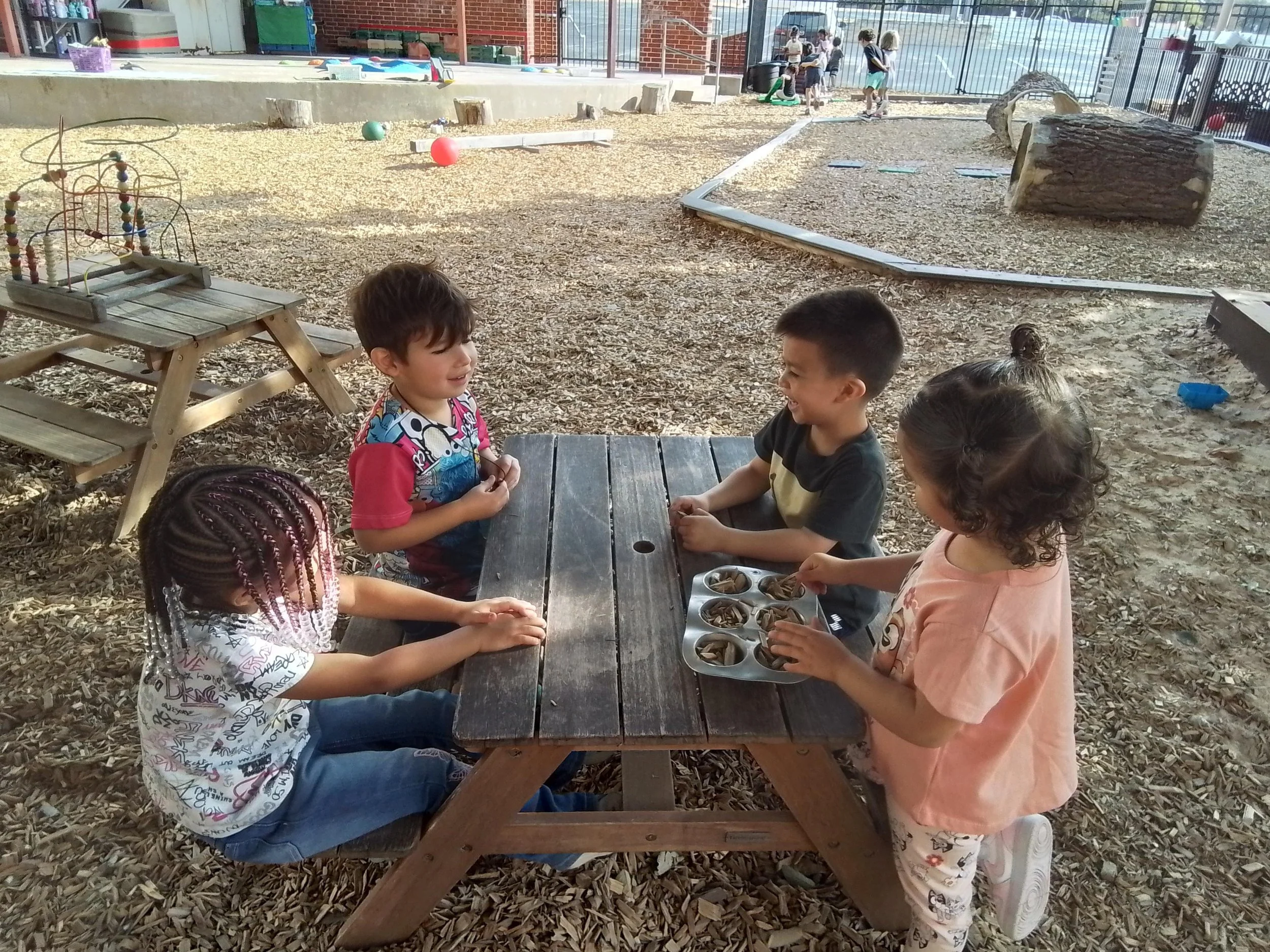
One of the easiest ways to enjoy fall is to head outside for a little nature adventure! Take a walk around your neighborhood or visit a local park and encourage your child to search for leaves of different colors, shapes, sizes, and textures.
Turn your walk into a scavenger hunt by challenging your little explorer to find:
A big leaf and a tiny leaf
A smooth leaf and a bumpy leaf
A leaf with an interesting shape
A green, yellow, or brown leaf
A leaf that has already fallen to the ground
You might be surprised by how much fun children can have searching for these simple treasures!
What children learn: Observation, comparison, descriptive language, and early science skills.
Parent tip: Ask questions as you explore together. Which leaf is the biggest? How does this leaf feel compared to that one? Why do you think some leaves look different from others? These little conversations encourage children to observe, think critically, and build their vocabulary.
2. Create a Fall Sensory Bin
What you'll need: A shallow plastic container, large leaves, small fall-themed items like small pumpkins, measuring cups, scoops, and fall-themed fabric or other age-appropriate materials.
A nature walk can be the beginning of another fun activity! Collect a few large, clean leaves, then bring them home to create a simple fall sensory bin.
Place the leaves in a shallow container and add measuring cups, scoops, and pieces of autumn-colored fabric. You can also include a small pumpkin or other large, age-appropriate objects for your child to explore.
Let your preschooler take the lead! They can scoop, sort, arrange, and compare the materials, or use their imagination to create their own little fall world.
What children learn: Fine motor coordination, sensory exploration, sorting, and imaginative play.
Parent tip: You don't need dozens of supplies to create a meaningful activity. Start with a few interesting materials and let your child's curiosity guide the play. Always supervise closely and avoid small objects that could pose a choking hazard.
3. Make Colorful Leaf Rubbings
What you'll need: Fallen leaves, paper, and crayons with their wrappers removed.
Turn the leaves from your scavenger hunt into a colorful work of art!
Place a leaf underneath a sheet of paper and help your child gently rub the side of a crayon over the paper. As the crayon moves across the surface, the leaf's shape and veins will begin to appear.
Try different leaves and colors, then compare the finished pictures. Which leaf has the most interesting pattern? Which one was easiest to recognize?
You can even turn your creations into greeting cards, refrigerator artwork, or a homemade fall collage to display at home.
What children learn: Creativity, fine motor control, visual observation, and an introduction to patterns and textures.
Parent tip: Tape the paper to the table to keep it from sliding around. Let your child choose the colors and leaves. The goal is exploration and creativity, not a perfect picture!
4. Go on a Fall Color Hunt
What you'll need: Nothing but your eyes, or a simple homemade color chart.
Fall in Central Texas doesn't always bring the brilliant reds and oranges you might see in other parts of the country, but that doesn't mean there's any shortage of colors to discover!
Choose three or four colors and challenge your preschooler to find something outdoors that matches each one.
Can they find something green, something brown, something yellow, and something red? Look for leaves, flowers, tree bark, rocks, or other safe objects in your surroundings.
For older preschoolers, turn the activity into a guessing game. Describe an object by its color, shape, or texture and see whether your child can find it.
What children learn: Color recognition, attention to detail, language, and visual discrimination.
Parent tip: This activity is easy to repeat throughout the year. Try it again in winter, spring, and summer to help your child notice how their surroundings change with the seasons.
5. Build a Nature Collage
What you'll need: Cardstock, child-safe glue, and large, clean leaves or other safe natural materials.
Let your little artist bring the outdoors inside! Head outside to collect a few interesting leaves and other suitable natural materials, then bring your treasures home to create a nature collage.
Arrange the materials on cardstock and encourage your child to make a tree, an animal, a colorful pattern, or an entirely original design. There's no wrong way to do it!
As you work together, talk about the shapes, colors, and textures you're using. Encourage your child to decide where each piece belongs and how to arrange the materials.
What children learn: Creativity, decision-making, fine motor skills, and spatial awareness.
Parent tip: Let your child lead the design. Resist the urge to turn the activity into a craft that must look a certain way. The process of exploring, experimenting, and creating is often more valuable than the finished product!
Making Everyday Moments Count
One of the best things about early childhood is that learning doesn't have to happen at a desk. A neighborhood walk can become a science lesson, sorting leaves can introduce early math skills, and creating a nature collage can encourage creativity and independence.
These simple experiences help children develop curiosity, confidence, and a love of learning — one small discovery at a time.
At Shoreline Learning Center, we believe children learn best when they have opportunities to explore, create, ask questions, and discover the world around them. Hands-on activities and meaningful play help lay the foundation for a lifelong love of learning.
Whether your family is enjoying a seasonal activity at home or looking for an engaging early learning environment in the Austin area, we're here to help little learners grow and thrive.
Looking for a preschool or early learning center near Austin, Round Rock, or Pflugerville? We'd love to introduce you to the Shoreline Learning Center family!
Visit Shoreline Learning Center to explore our programs and learn more about our approach to early childhood education.
Safety reminder: Adapt all activities to your child's age and abilities. Supervise children closely, avoid small objects that could pose a choking hazard, and never allow children to eat unidentified plants or natural materials.